Regional Franchises and Island Strength
The operational framework of SPAR in Spain is orchestrated through SPAR Española, which coordinates several independent regional wholesale companies. Each partner holds exclusive operational rights in their designated autonomous communities. Notable among these is the group in Gran Canaria, where SPAR commands a high market share and operates in virtually every town and coastal municipality across the island.
Across the mainland, the network maintains high presence along coastal belts—including Catalonia, the Costa Brava, Valencia, and Andalusia—catering to both local populations and significant fluctuations of seasonal European holidaymakers. This necessitates an inventory strategy that balances authentic Iberian staples with familiar international provisions.
Specialized Formats: SPAR Natural and Eurospar
In response to evolving consumer preferences, the Spanish network pioneered innovative specialized concepts that have been exported across the international SPAR network:
| Format Tier | Square Meters | Primary Location | Merchandising Distinction |
|---|---|---|---|
| SPAR Natural | 300 – 600 m² | Urban centers (Las Palmas, Barcelona) | Certified organic groceries, allergen-free goods, vegan items, natural personal care. |
| SPAR Supermercado | 400 – 900 m² | Town neighborhoods, coastal promenades | Daily fresh produce (charcutería, pescadería), regional wines, household sundries. |
| EUROSPAR | 1,000 – 2,400 m² | Suburban commercial zones, holiday resort perimeters | Full grocery trolleys, extensive international imported foods, parking infrastructure. |
Fresh Produce and Local Specialties (Kilómetro Cero)
The Spanish operation places sustained marketing and procurement emphasis on "Productos de Kilómetro Cero"—sourcing agricultural harvests directly from growers adjacent to regional distribution facilities:
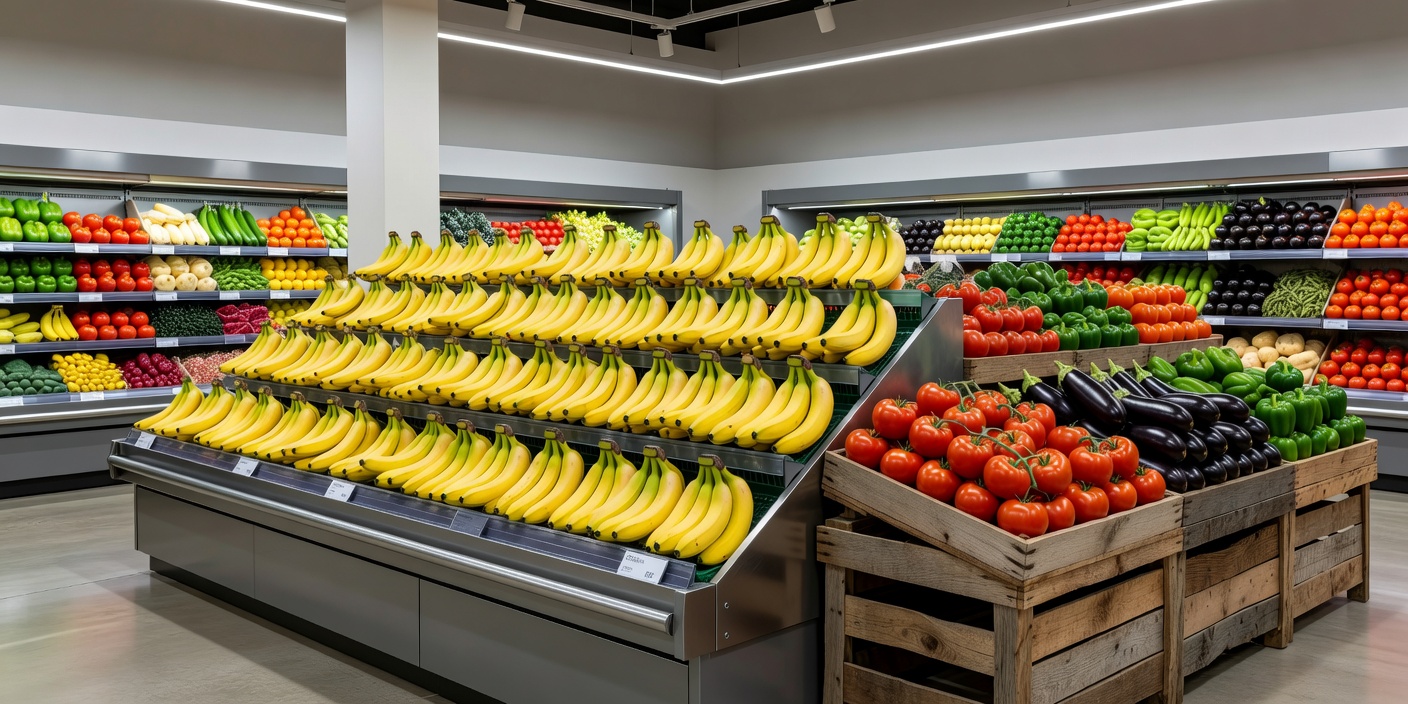
- Canary Island Agriculture: In the archipelago, branches emphasize locally grown Plátano de Canarias, sweet tropical papayas, mangoes, and traditional goat-milk cheeses such as Queso Majorero.
- Iberian Jamón & Embutidos: Dedicated charcuterie counters staffed by skilled cutters providing Jamón Serrano, Jamón Ibérico de Cebo, Chorizo, and Salchichón sliced to order.
- Andalusian & Catalan Citrus: Oranges, lemons, artichokes, and greenhouse tomatoes sourced directly from cooperatives in Murcia, Almería, and the Ebro Delta.
- Extra Virgin Olive Oil & Vinegars: Prominent shelving dedicated to single-estate Andalusian Picual and Hojiblanca oils alongside regional sherry vinegars from Jerez.
Pros and Cons: Managing Coastal Seasonality
Operational Strengths
- Dominant retail brand recognition across the Canary Islands with dense store distribution.
- Effective dual-assortment merchandising satisfying both local Spanish culinary habits and British/German seasonal visitors.
- Pioneering success with the eco-centric "SPAR Natural" health food concept.
Logistical Realities
- Extreme seasonal demand peaks along holiday coasts place substantial strain on short-term refrigerated fleet capacity.
- Maritime freight reliance for Canary and Balearic stores creates exposure to Atlantic sailing interruptions.
- Intense price competition in mainland suburban sectors from national hard-discount chains.
Island Supply Chain Logistics
Operating a grocery business across Gran Canaria, Tenerife, Fuerteventura, and Lanzarote demands specialized maritime logistics. Modern distribution centers in industrial zones outside Las Palmas manage daily temperature-controlled container shipments arriving from mainland ports like Cádiz and Huelva. High-turnover fresh vegetables, milk, and bakery items are cross-docked within hours to ensure that store shelves in remote southern tourist enclaves receive daily deliveries before early morning customer arrivals.